Explore our new look! Redesigned with your convenience in mind | Explore our new look! Redesigned with your convenience in mind | Explore our new look! Redesigned with your convenience in mind | Explore our new look! Redesigned with your convenience in mind | Explore our new look! Redesigned with your convenience in mind |
We look forward to helping you find the perfect shelving solution.
How to Choose the Perfect Coffee Table for Your Living Room
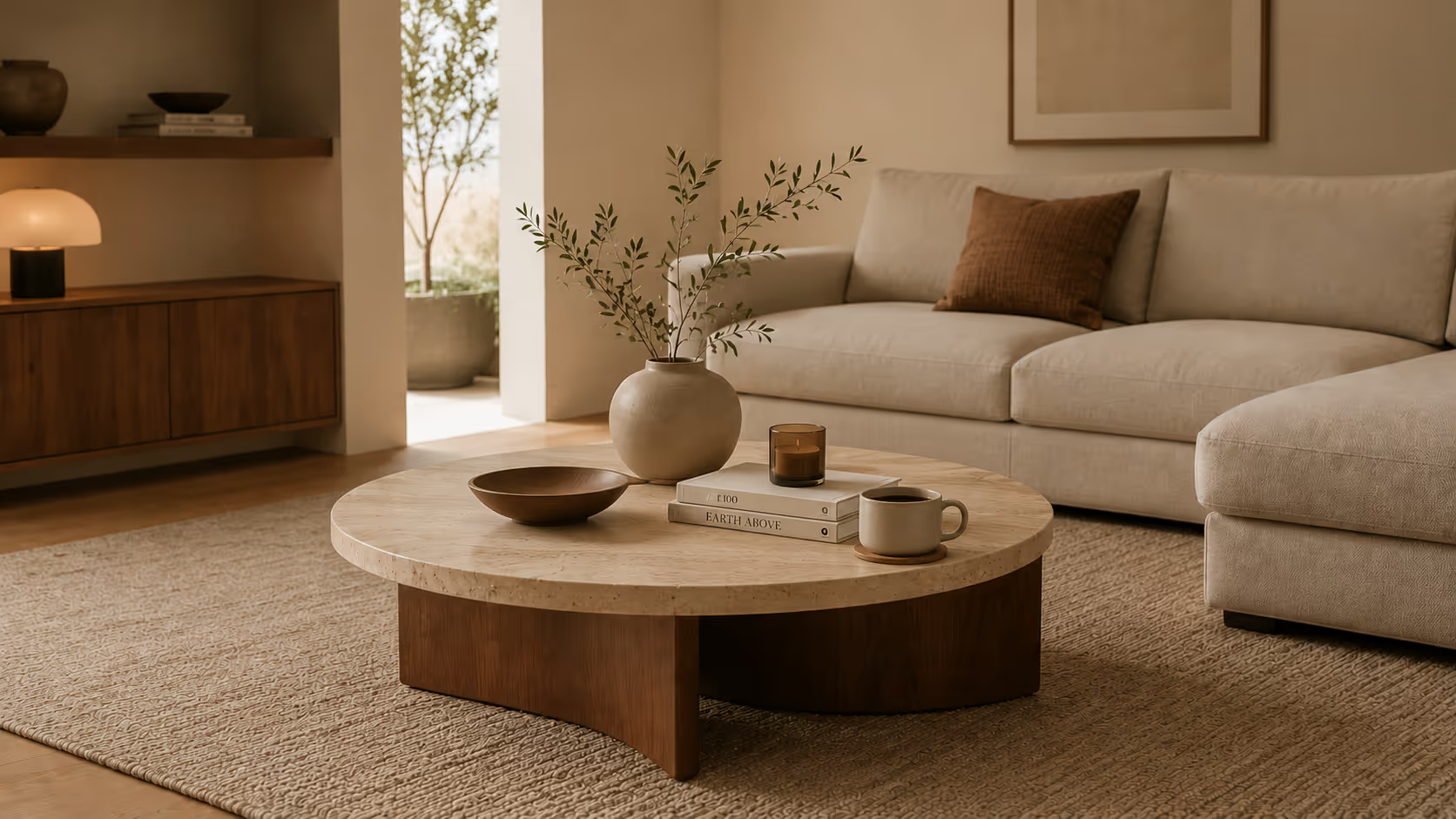
Choosing the right coffee table is one of the most important decisions when designing a functional and stylish living room. While sofas often receive the most attention, the coffee table serves as the centerpiece that ties the entire seating area together. It provides a practical surface for everyday use while also contributing significantly to the overall look and feel of the space.
A well-chosen coffee table does much more than hold drinks, books, or decorative accessories. It helps create balance within the room, improves convenience for daily living, and enhances the visual appeal of your furniture arrangement. Whether your style is modern, contemporary, Scandinavian, or traditional, the right coffee table can elevate your living room design while making the space more comfortable and functional.
Many homeowners find it challenging to select the perfect coffee table because there are so many options available. Choosing the correct size, shape, material, and style requires careful consideration of both aesthetics and practicality. A table that looks beautiful in a showroom may not necessarily work well within your living room layout.
In this guide, you’ll learn how to choose the ideal coffee table for your space, including the best sizing guidelines, popular shapes, material options, and practical design considerations that will help you create a living room that looks great and functions effortlessly.
Why Your Coffee Table Plays a Key Role in Living Room Design
A coffee table is often the focal point of a living room seating area. Positioned at the centre of sofas and lounge chairs, it naturally draws attention and helps anchor the furniture arrangement. Without a coffee table, even a beautifully furnished living room can feel incomplete.
Beyond its visual role, a coffee table serves several practical purposes. It provides a convenient place for everyday items such as drinks, books, remote controls, laptops, and decorative accessories. This accessibility makes it one of the most frequently used furniture pieces in the home.
A thoughtfully selected coffee table also helps create visual balance within the room. Its size, shape, and material should complement surrounding furniture rather than compete with it. When properly proportioned, a coffee table can make the entire living room feel more harmonious and well-designed.
Perhaps most importantly, a coffee table bridges the gap between style and functionality. It offers practical storage and surface space while contributing to the room’s overall aesthetic. Whether you prefer a minimalist design or a statement piece, the right coffee table can significantly influence how your living room looks and feels.
Choosing the Right Coffee Table Size
Selecting the correct coffee table size is essential for achieving both comfort and visual balance. A table that is too large can overwhelm the room, while one that is too small may feel disconnected from the surrounding furniture. Understanding a few basic sizing principles can help you find the perfect fit.
Consider Your Sofa Dimensions
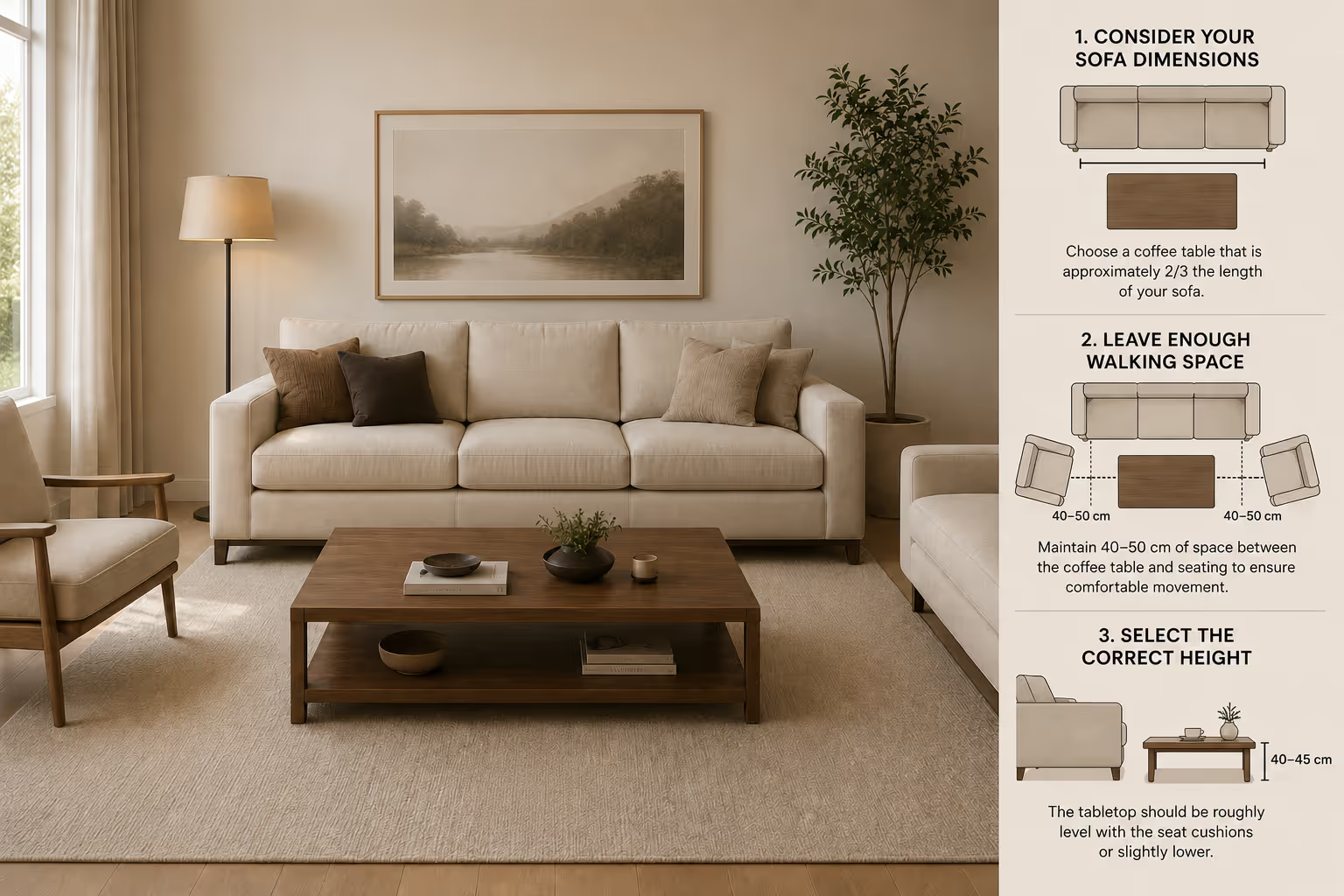
One of the most common design guidelines is to choose a coffee table that is approximately two-thirds the length of your sofa. This proportion helps create balance and ensures the table feels connected to the seating area without dominating the space.
For example, if your sofa is 240 cm long, a coffee table between 140 cm and 170 cm typically provides a pleasing visual proportion. This relationship helps maintain harmony within the room and creates a comfortable reach from any seat.
Avoid selecting a coffee table that is significantly longer than the sofa, as it can make the room feel crowded. Similarly, tables that are too small may appear insignificant and fail to provide adequate functionality.
Leave Enough Walking Space
Comfortable movement around the furniture is just as important as appearance. Ideally, there should be approximately 40–50 cm of space between the coffee table and the sofa. This distance allows easy access to the table while maintaining sufficient legroom.
You should also leave enough clearance around the outer edges of the coffee table to ensure smooth traffic flow throughout the room. Proper spacing prevents the living room from feeling cramped and helps create a more inviting environment.
When planning your layout, consider how people naturally move through the space and ensure the coffee table does not obstruct major walkways.
Selecting the Correct Height
The height of your coffee table plays a significant role in comfort and usability. As a general rule, the tabletop should be roughly level with the seat cushions of your sofa or slightly lower.
Most coffee tables range between 40 cm and 45 cm in height, which works well with standard sofa dimensions. Choosing a table within this range allows for easy access to drinks, books, and other items without requiring excessive reaching.
A coffee table that is too high can feel awkward and dominate the seating area, while one that is too low may be less practical for everyday use.
By carefully considering length, spacing, and height, you can select a coffee table that feels comfortable, functional, and perfectly proportioned for your living room.
Popular Coffee Table Shapes and When to Use Them
The shape of your coffee table can have a major impact on both the functionality and appearance of your living room. Different shapes suit different room layouts, furniture arrangements, and design styles. Understanding the strengths of each option can help you choose the most suitable table for your space.
Rectangular Coffee Tables
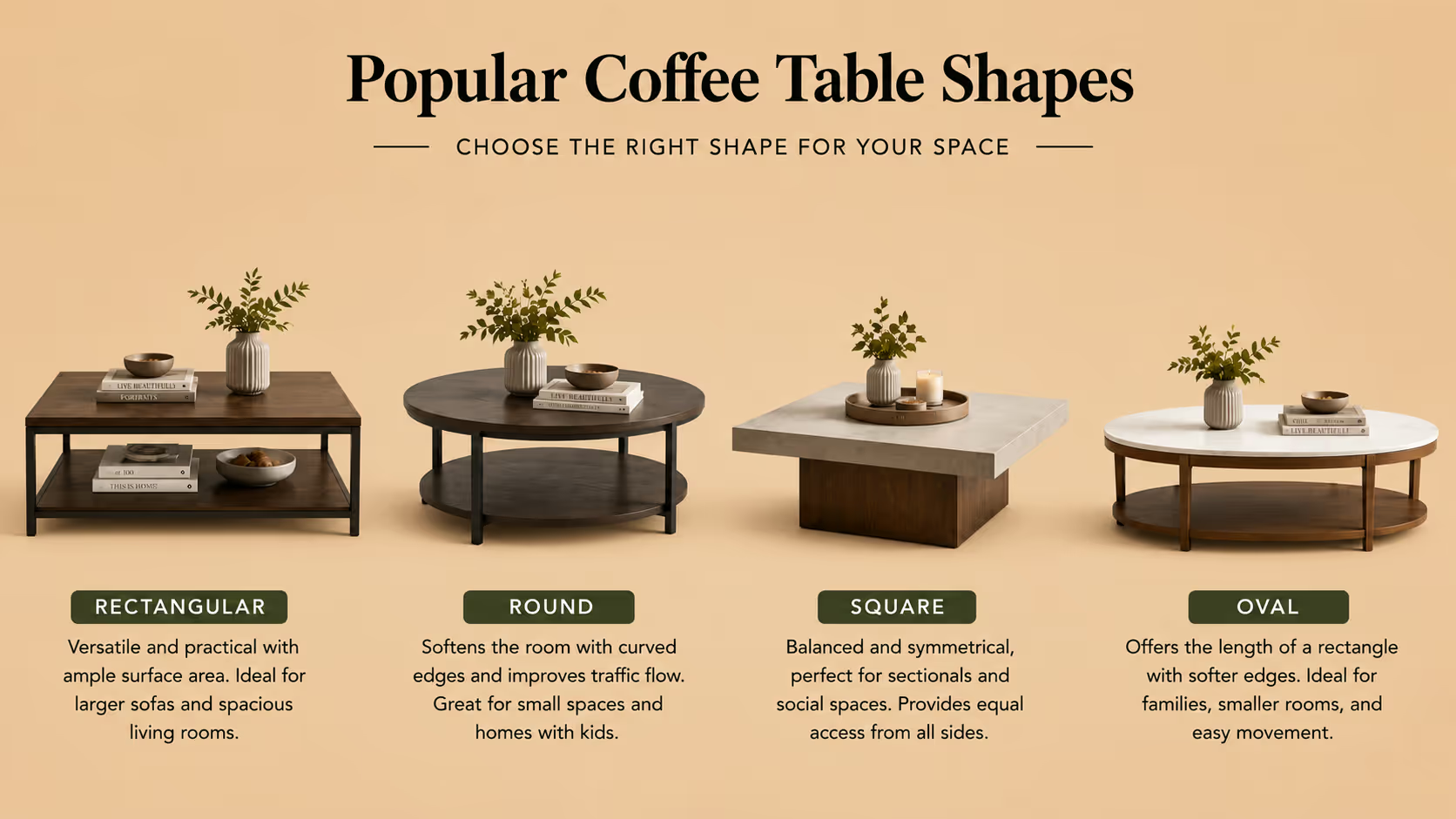
Rectangular coffee tables remain the most popular and versatile choice for modern living rooms. Their elongated shape works particularly well with standard sofas and larger seating arrangements.
Because of their generous surface area, rectangular tables provide ample space for decorative accessories, books, beverages, and everyday items. They are especially effective in spacious living rooms where larger furniture pieces require a proportional centerpiece.
Their classic shape makes them suitable for almost every interior style, from traditional homes to contemporary spaces.
Round Coffee Tables
Round coffee tables offer a softer and more relaxed appearance compared to rectangular designs. Their curved edges help break up the straight lines commonly found in sofas, cabinetry, and architectural features.
They are also an excellent option for households with young children, as the absence of sharp corners reduces the risk of accidental bumps and injuries.
In smaller living rooms, round coffee tables can improve traffic flow by allowing people to move around them more easily. Their compact shape often makes the room feel more open and inviting.
Square Coffee Tables
Square coffee tables work particularly well in symmetrical seating arrangements and rooms featuring sectional sofas. Their balanced proportions create a strong visual presence and help anchor larger furniture groupings.
Because they provide equal access from all sides, square tables are ideal for social spaces where multiple people regularly use the seating area.
Their clean lines and structured appearance make them a popular choice in contemporary and modern interior designs.
Oval Coffee Tables
Oval coffee tables combine many of the advantages of both rectangular and round designs. They offer the generous surface area of a rectangular table while incorporating softer edges that improve movement around the room.
This combination makes oval coffee tables a practical option for families, smaller living rooms, and spaces where traffic flow is an important consideration.
Their elegant shape also adds a sophisticated touch to both traditional and modern interiors, making them a versatile choice for a wide range of design styles.
Choosing the Best Material for Your Coffee Table
The material of your coffee table plays a major role in its appearance, durability, maintenance requirements, and how well it complements the rest of your living room furniture. From natural timber to sleek glass and industrial metal designs, each material offers unique advantages that suit different interior styles and lifestyles.
Timber Coffee Tables
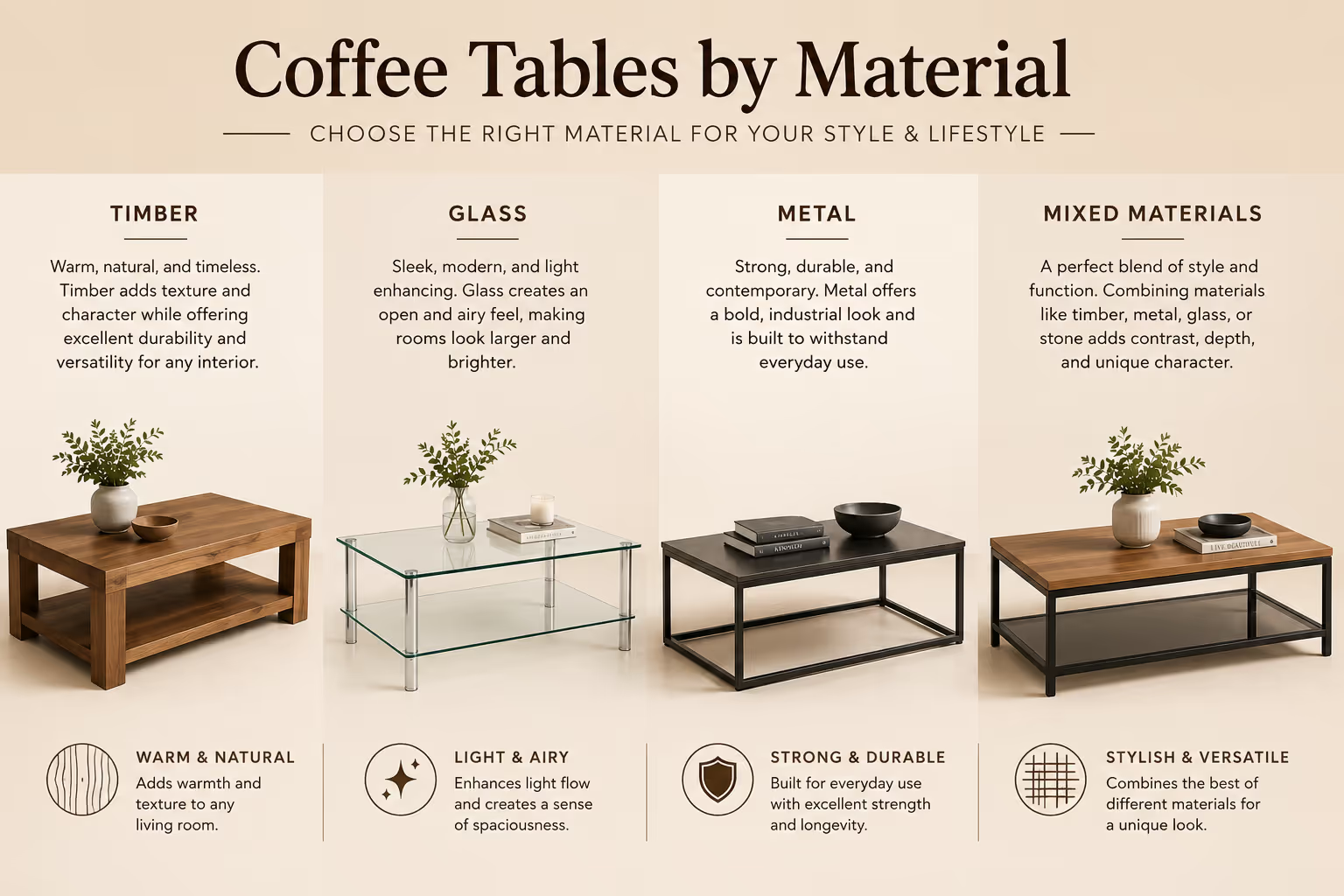
Timber coffee tables remain one of the most popular choices for homeowners because of their warmth, character, and timeless appeal. Natural wood introduces texture and depth into a living room, helping create a welcoming and comfortable environment.
One of the biggest advantages of timber is its durability. A well-made timber coffee table can withstand years of daily use while maintaining its appearance and structural integrity. This makes it a practical investment for busy households and family homes.
Timber also offers exceptional versatility. Whether your style is modern, Scandinavian, rustic, farmhouse, or traditional, a timber coffee table can blend seamlessly into the overall design. Its enduring popularity ensures it remains a stylish choice regardless of changing interior trends.
Glass Coffee Tables
Glass coffee tables are ideal for homeowners seeking a clean, contemporary aesthetic. Their transparent surfaces create a light and airy appearance that helps make living rooms feel larger and less cluttered.
One of the greatest benefits of glass is its ability to reflect both natural and artificial light. This reflective quality can brighten a room and contribute to a more open atmosphere, particularly in smaller living spaces.
Glass coffee tables work exceptionally well in modern and minimalist interiors where visual simplicity is a priority. Their elegant appearance allows surrounding furniture and decorative elements to remain the focus while still providing practical functionality.
Glass furniture often pairs beautifully with Floating Glass Shelves, creating a cohesive and contemporary living room design that feels spacious, sophisticated, and visually balanced.
Metal Coffee Tables
Metal coffee tables offer a distinctive look that suits contemporary, industrial, and urban-inspired interiors. Their clean lines and strong structural appearance make them a popular choice for homeowners seeking a modern design statement.
One of the primary advantages of metal is its exceptional strength and durability. Metal coffee tables are designed to withstand heavy use and often require very little maintenance compared to other materials.
Many contemporary coffee table designs combine sleek metal frames with timber, glass, or stone surfaces to create a striking visual contrast that enhances the overall character of the room.
Mixed Material Designs
Mixed material coffee tables have become increasingly popular in modern interiors because they combine the best qualities of multiple materials. Common combinations include timber and metal, glass and metal, or timber and glass.
These designs offer visual contrast and depth, creating furniture pieces that feel both stylish and unique. For example, a timber top paired with a black metal frame can introduce warmth while maintaining a contemporary edge.
Mixed material coffee tables also provide flexibility when coordinating with existing furniture, making them a versatile option for a wide range of interior design styles.
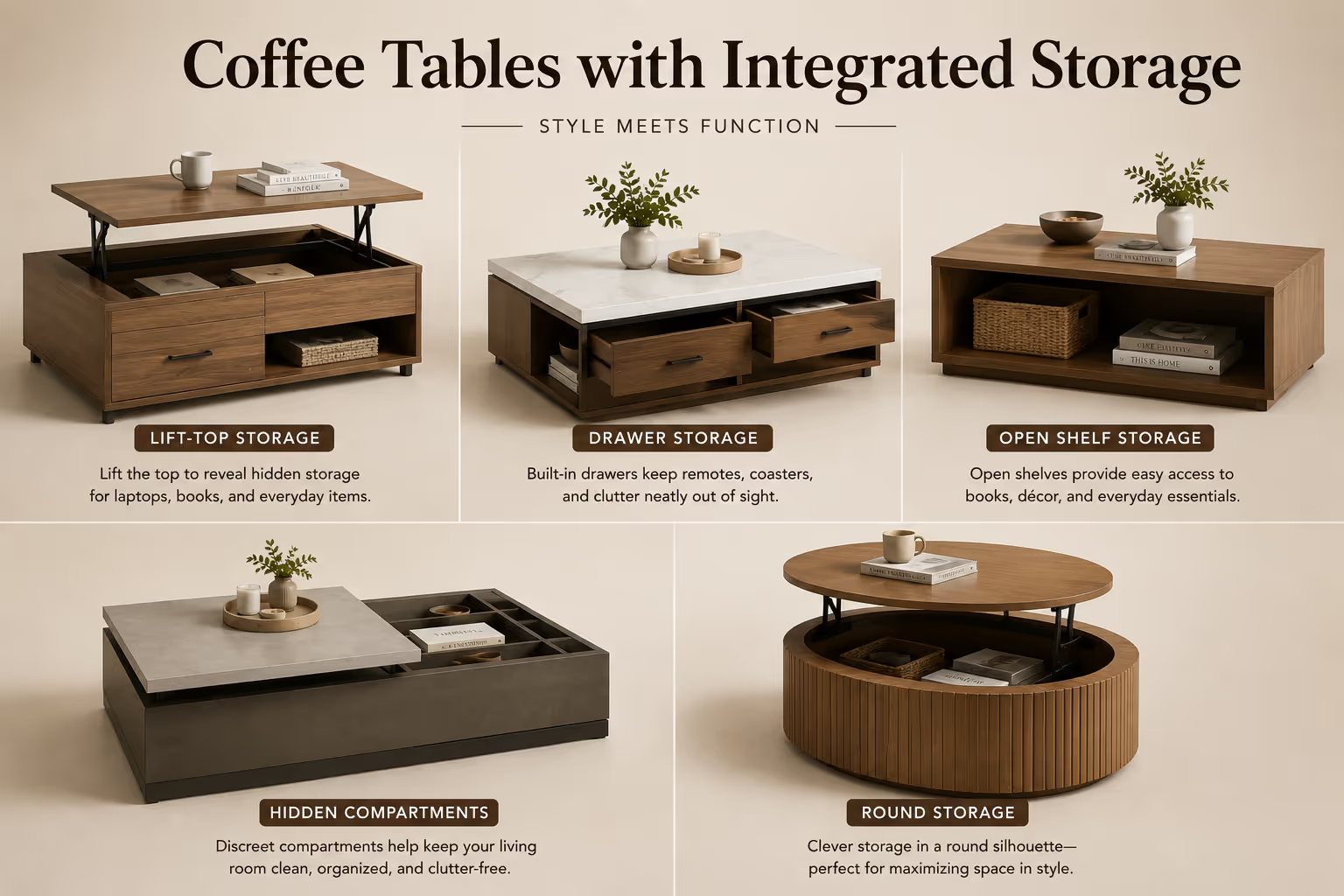
Coffee Tables with Storage – Are They Worth It?
For many homeowners, a coffee table is more than just a decorative centerpiece. It can also provide valuable storage that helps keep the living room organized and clutter-free. If you’re looking to maximize functionality, a coffee table with built-in storage can be an excellent investment.
Storage-focused coffee tables help keep frequently used items within easy reach while reducing visible clutter throughout the room. Remote controls, magazines, charging cables, board games, and everyday accessories can all be stored neatly out of sight.
This added functionality is particularly useful in family homes where maintaining an organized living space can be challenging. By combining storage with style, these coffee tables contribute to a cleaner and more practical environment.
Drawers and Compartments
Coffee tables with drawers or enclosed compartments provide hidden storage that keeps personal items organized while maintaining a tidy appearance.
These compartments are ideal for storing remote controls, chargers, coasters, documents, and other items that can quickly create clutter if left exposed.
Lift-Top Coffee Tables
Lift-top coffee tables offer a versatile solution for modern living. Their adjustable surfaces can be raised to create a comfortable workspace, dining area, or laptop station while sitting on the sofa.
Many lift-top designs also include concealed storage underneath the tabletop, providing additional functionality without increasing the table’s footprint.
Open Shelf Storage
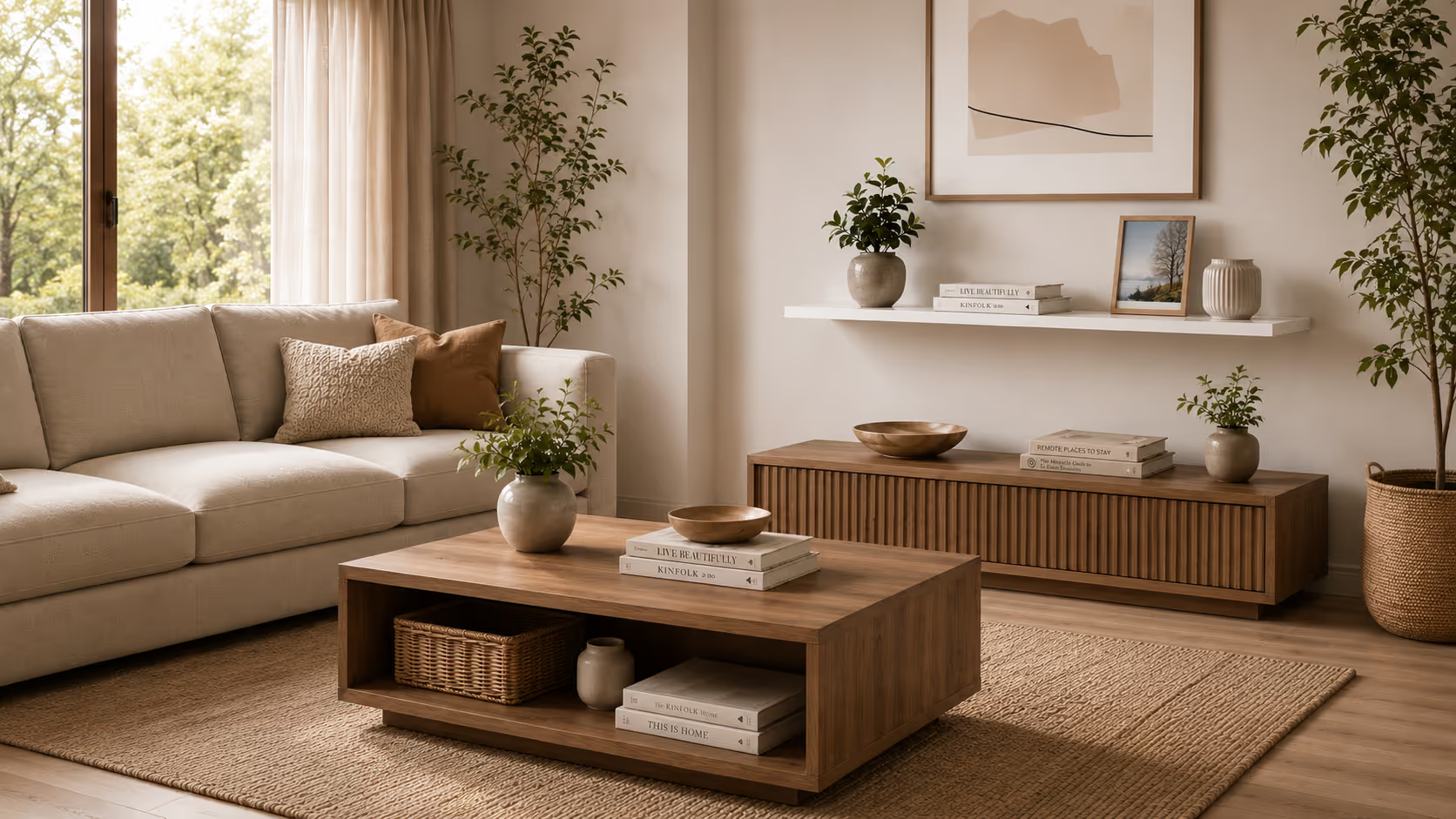
Open shelf coffee tables provide easy access to frequently used items while maintaining an open and airy appearance. Books, magazines, decorative baskets, and accessories can be displayed neatly without overwhelming the room.
This option works particularly well for homeowners who prefer visible organization and want to incorporate decorative styling into their storage solutions.
Matching Your Coffee Table with Existing Furniture
Choosing a beautiful coffee table is only part of the process. To create a cohesive and visually appealing living room, the table should complement your existing furniture, colour palette, and overall design style.
A well-coordinated coffee table helps unify the space and contributes to a more polished and professionally designed appearance.
Modern Living Rooms
Modern interiors typically feature clean lines, neutral colour palettes, and minimalist furniture. Coffee tables with simple silhouettes, glass surfaces, or sleek timber finishes work particularly well within these spaces.
The goal is to maintain a streamlined appearance while ensuring the coffee table provides practical functionality.
Contemporary Interiors
Contemporary living rooms often incorporate a mix of materials, textures, and design influences. Mixed material coffee tables featuring timber, glass, and metal elements can help create visual interest while remaining sophisticated and versatile.
Contemporary designs frequently prioritize both style and practicality, making multifunctional coffee tables a popular choice.
Scandinavian Spaces
Scandinavian-inspired interiors focus on simplicity, natural materials, and bright, airy environments. Light-coloured timber coffee tables work exceptionally well within these spaces, contributing warmth without overpowering the room.
Minimalist styling and clean forms help reinforce the relaxed and inviting atmosphere associated with Scandinavian design.
Traditional Living Rooms
Traditional interiors often feature rich timber finishes, classic furniture profiles, and timeless decorative elements. Coffee tables with detailed craftsmanship and natural wood surfaces complement these spaces beautifully.
Their elegant appearance helps create a sense of comfort, sophistication, and enduring style.
Many homeowners complement their living room furniture with Floating White Shelf to display books, artwork, framed photographs, and decorative accessories while maintaining a cohesive and organized design throughout the room.
Common Mistakes to Avoid When Choosing a Coffee Table
Choosing the perfect coffee table involves more than simply selecting a design you like. Many homeowners focus solely on appearance and overlook practical considerations that affect comfort, functionality, and the overall flow of the room. Avoiding these common mistakes can help you make a smarter long-term investment.
Choosing the Wrong Size
One of the most common mistakes is selecting a coffee table that is either too large or too small for the seating area.
An oversized table can dominate the room, restrict movement, and make the space feel cramped. On the other hand, a table that is too small may look disconnected from the surrounding furniture and provide insufficient surface space.
To avoid this issue, choose a coffee table that is approximately two-thirds the length of your sofa and leaves enough room for comfortable movement around the seating area.
Ignoring Room Layout
A coffee table should complement the overall room layout rather than disrupt it.
Some homeowners purchase a table without considering traffic flow, resulting in furniture that blocks walkways or creates awkward movement patterns. This can make the living room feel crowded and less functional.
Before purchasing, map out your furniture arrangement and ensure there is adequate clearance between the coffee table and surrounding seating.
Prioritizing Style Over Function
While appearance is important, functionality should never be overlooked.
A visually striking coffee table may not suit your lifestyle if it lacks sufficient surface space, is difficult to maintain, or doesn’t support your daily activities. Families, remote workers, and frequent entertainers often require furniture that balances style with practicality.
The best coffee tables combine attractive design with features that support everyday living.
Overlooking Storage Needs
Storage is often an afterthought when choosing a coffee table, but it can significantly impact how organized your living room feels.
If you regularly use remote controls, magazines, chargers, or other accessories, a coffee table with drawers, shelves, or hidden compartments can help keep clutter under control.
Considering your storage requirements before purchasing can improve both functionality and long-term satisfaction.
Selecting Materials Unsuited to Your Lifestyle
Different materials offer different benefits, and it’s important to choose one that aligns with your household’s needs.
For example, glass coffee tables can look elegant and modern, but they may require more frequent cleaning. Timber tables are durable and timeless, while metal designs provide excellent strength and contemporary appeal.
Consider factors such as maintenance requirements, children, pets, and daily usage before deciding on the most suitable material.
How Floating Shelves Can Complement Your Coffee Table Setup
A well-designed living room isn’t just about choosing the right coffee table. Wall-mounted storage and display solutions can play an equally important role in creating a balanced, functional, and visually appealing space.
Floating shelves complement coffee tables by adding vertical storage without increasing floor clutter. Together, they help create a layered and cohesive living room design that feels organized and spacious.
Floating shelves can be used to display books, plants, framed photographs, artwork, candles, and decorative accessories while keeping frequently used items easily accessible.
Floating Shelves for Small Living Rooms
In smaller living rooms, maximizing wall space is often more effective than adding additional furniture.
Installing Floating White Shelf allows homeowners to create valuable storage and display space while keeping the floor area open and uncluttered. This helps the room feel larger and more inviting.
Floating shelves also provide flexibility, allowing you to personalize your space without overwhelming it with bulky furniture.
Creating Feature Walls Around Seating Areas
Floating shelves can help transform a plain wall into a stylish focal point.
Positioning shelves above or adjacent to a sofa creates opportunities to showcase decorative pieces, artwork, books, and personal collections. This layered approach adds depth and character to the room while drawing attention to the seating area.
For homeowners seeking a bold contemporary look, Floating Black Shelf Custom Made options can create striking contrast against lighter walls and furnishings.
Coordinating Shelf Finishes with Furniture
Matching shelf materials and finishes with your coffee table and existing furniture helps create a cohesive design throughout the room.
Timber shelves can complement wooden coffee tables, while glass shelving pairs beautifully with contemporary furniture and minimalist interiors. Homeowners seeking a sleek, modern aesthetic often choose Floating Glass Shelves to maintain an open and sophisticated appearance.
When coordinated effectively, floating shelves and coffee tables work together to create a living room that feels thoughtfully designed and highly functional.
Why a Quality Coffee Table Is a Long-Term Investment
A coffee table is one of the most frequently used furniture pieces in the home, making quality an important consideration. Investing in a well-made coffee table can provide benefits that extend far beyond its initial purchase price.
Durability
Quality coffee tables are built using stronger materials and better construction methods, allowing them to withstand years of daily use. Durable furniture reduces the need for frequent replacements and often maintains its appearance for much longer.
Everyday Functionality
A thoughtfully designed coffee table supports everyday activities such as entertaining guests, relaxing with family, working from home, and displaying decorative accessories. Investing in a table that meets your lifestyle needs can improve the functionality of your living space.
Enhancing Living Room Aesthetics
The coffee table often serves as the centerpiece of the seating area. A quality design can elevate the overall appearance of the room and contribute to a more polished, cohesive interior.
Better Value Over Time
While premium furniture may require a larger initial investment, it often delivers better long-term value through improved durability, timeless styling, and reduced replacement costs.
Supporting Changing Lifestyle Needs
As households evolve, furniture that combines functionality, durability, and versatile design can continue to serve different purposes. A quality coffee table remains useful whether you’re entertaining guests, raising a family, or updating your home’s décor.
Conclusion
Choosing the perfect coffee table involves balancing aesthetics, practicality, and long-term functionality. The right table should complement your living room layout, match your furniture style, and provide the surface space and storage you need for everyday living.
By selecting the appropriate size, shape, and material, you can create a living room that feels comfortable, organized, and visually appealing. Storage features can further improve functionality, while carefully coordinated furniture helps establish a cohesive design throughout the space.
Floating shelves can also play an important role in enhancing your living room by adding valuable display and storage space without increasing floor clutter. Together, a well-chosen coffee table and thoughtfully placed wall shelving can transform the way your living room looks and functions.
Investing in quality furniture ensures your living space remains stylish, practical, and enjoyable for years to come.
Frequently Asked Questions
What size coffee table should I choose?
A coffee table should generally be about two-thirds the length of your sofa and positioned approximately 40–50 cm away from the seating area for comfortable access and movement.
How far should a coffee table be from a sofa?
Most interior designers recommend leaving between 40 cm and 50 cm of space between the sofa and coffee table to ensure easy access and comfortable traffic flow.
What shape coffee table is best for a small living room?
Round and oval coffee tables often work best in smaller living rooms because their curved edges improve movement around the room and help create a more open feel.
Are glass coffee tables still in style?
Yes. Glass coffee tables remain popular in contemporary and modern interiors due to their clean appearance, light-reflecting properties, and ability to make spaces feel larger.
Should a coffee table match my TV unit?
Your coffee table doesn’t need to match exactly, but coordinating colours, materials, or design styles can help create a more cohesive and balanced living room.
Are coffee tables with storage worth buying?
Absolutely. Coffee tables with built-in storage help reduce clutter by providing convenient places to store remotes, magazines, chargers, and other everyday items.
What material is best for a coffee table?
The best material depends on your needs and design preferences. Timber offers warmth and durability, glass creates a modern look, and metal provides strength and contemporary appeal.
How do I style a coffee table?
A balanced arrangement often includes a combination of decorative objects such as books, candles, trays, plants, and personal accessories. Avoid overcrowding the surface to maintain a clean appearance.
Can floating shelves complement a coffee table?
Yes. Floating shelves add vertical storage and display space that complements the functionality of a coffee table while helping create a more organized and visually appealing living room.
How long should a coffee table last?
A high-quality coffee table can last well over 10 years, and many premium timber or metal designs remain functional and stylish for decades when properly maintained.
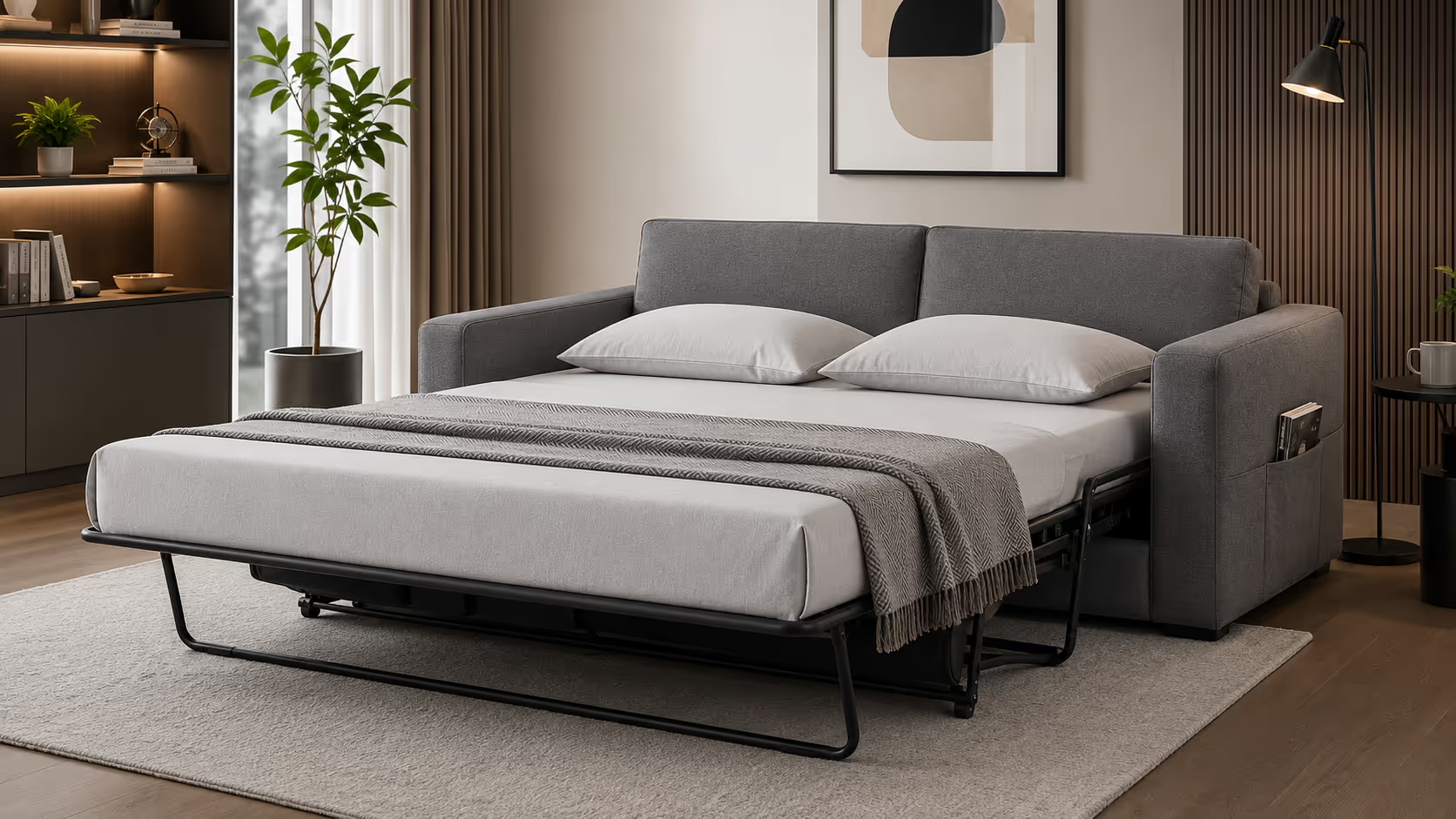
A sofa bed is one of the most versatile furniture pieces for modern homes, offering both comfortable seating and practical sleeping space. In this guide,
Choosing the right coffee table can transform your living room’s functionality and style. This guide explores coffee table sizes, shapes, materials, storage solutions, and design