Explore our new look! Redesigned with your convenience in mind | Explore our new look! Redesigned with your convenience in mind | Explore our new look! Redesigned with your convenience in mind | Explore our new look! Redesigned with your convenience in mind | Explore our new look! Redesigned with your convenience in mind |
We look forward to helping you find the perfect shelving solution.
Designer Wardrobe: How to Choose the Perfect Wardrobe for Your Bedroom
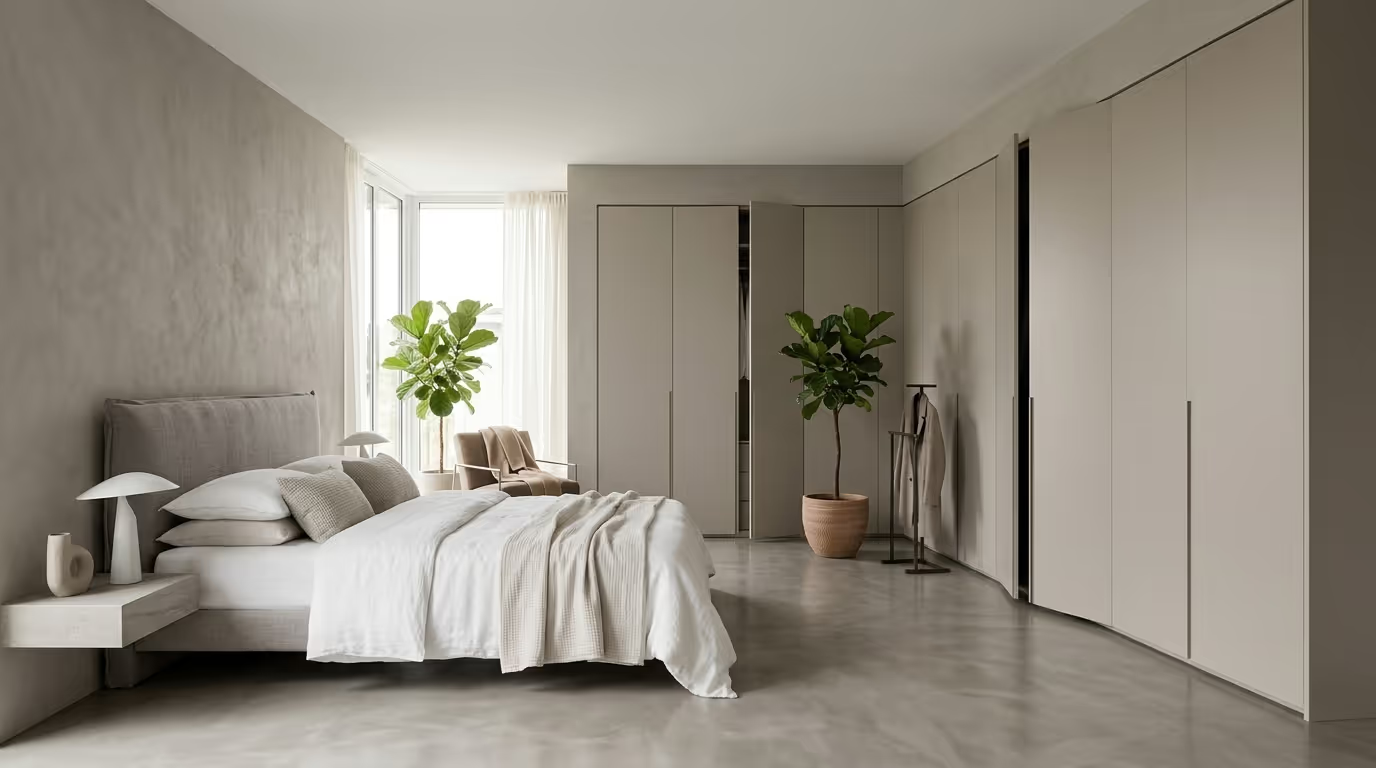
Your bedroom should be a place where style meets comfort, and the furniture you choose plays a major role in creating that balance. Among all bedroom furniture pieces, a designer wardrobe is one of the most important investments because it affects both the appearance of the room and the way you organize your daily life.
A well-designed wardrobe is much more than a place to store clothes. It helps keep your bedroom clutter-free, improves accessibility, and contributes to the overall aesthetic of the space. Whether you are furnishing a new home, renovating your bedroom, or upgrading your storage solutions, choosing the right designer wardrobe can make a significant difference.
The challenge is finding a wardrobe that offers the perfect combination of style, functionality, and long-term durability. From selecting the right size and materials to understanding storage features and design options, there are several factors to consider before making a purchase.
In this guide, you’ll learn what makes a designer wardrobe different from standard wardrobes, how to assess your available bedroom space, and which features to prioritize to ensure you choose a wardrobe that suits your lifestyle and complements your interior design.
What Is a Designer Wardrobe?
A designer wardrobe is a premium storage solution created with a strong focus on aesthetics, functionality, and customization. Unlike standard wardrobes that are often mass-produced with limited design options, a designer wardrobe is carefully crafted to suit specific storage needs while enhancing the visual appeal of a bedroom.
Designer wardrobes typically feature superior materials, modern finishes, and thoughtful storage layouts that maximize every inch of available space. They are designed to blend seamlessly with the room’s décor rather than simply serving as a storage unit.
One of the main advantages of a designer wardrobe is its ability to combine practicality with sophisticated design. Whether you prefer a minimalist look, a contemporary finish, or a luxurious custom-built solution, a designer wardrobe can be tailored to complement your personal style.
Many homeowners choose a designer wardrobe because it provides better organization, improves the appearance of the room, and offers a long-lasting furniture solution that adds value to their home.
Key Features of a Designer Wardrobe
A quality designer wardrobe includes several features that separate it from ordinary storage furniture.
Custom Storage Compartments
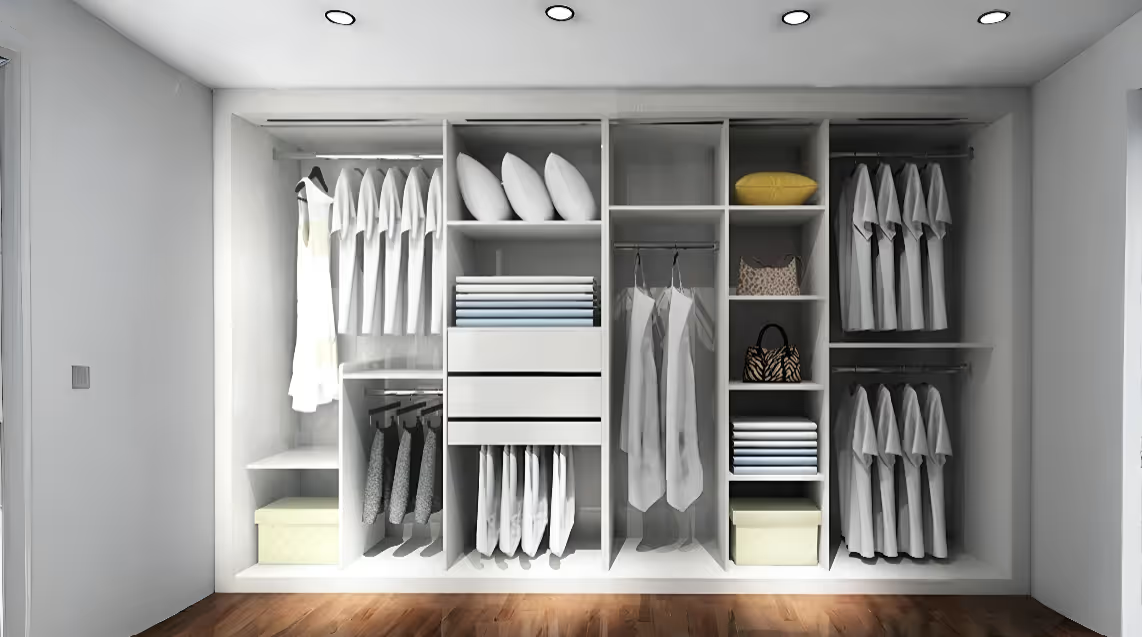
Modern wardrobes often include dedicated sections for hanging garments, folded clothing, shoes, accessories, and personal items. This customized approach helps maintain organization and makes everyday use more convenient.
Soft-Close Systems
Soft-close doors and drawers create a more premium experience while also reducing wear and tear. These systems help protect the wardrobe and contribute to a quieter, more refined bedroom environment.
Built-In Lighting
Many designer wardrobes incorporate integrated LED lighting to improve visibility and add a luxurious touch. Built-in lighting makes it easier to locate clothing and accessories while enhancing the overall design.
Premium Finishes
Designer wardrobes are available in a variety of finishes, including natural timber, matte surfaces, high-gloss panels, glass accents, and mirrored doors. These finishes help create a customized look that complements the bedroom’s interior style.
Space Optimization
One of the biggest benefits of a designer wardrobe is its ability to maximize storage without overwhelming the room. Smart layouts and efficient organization systems help homeowners make the most of both small and large bedrooms.
Assess Your Bedroom Space Before Choosing a Designer Wardrobe
Before purchasing a designer wardrobe, it’s essential to carefully evaluate your bedroom space. Even the most beautiful wardrobe can become impractical if it doesn’t fit comfortably within the room or disrupts the flow of the space.
Taking accurate measurements and considering your existing furniture layout will help ensure that the wardrobe enhances both functionality and aesthetics.
Measure Available Space Carefully
The first step is determining exactly how much space you have available for your new wardrobe.
Room Dimensions
Measure the width and depth of the wall where the wardrobe will be placed. Understanding the room’s dimensions helps narrow down suitable wardrobe sizes and prevents overcrowding.
Ceiling Height
Ceiling height can influence the type of wardrobe you choose. Floor-to-ceiling wardrobes maximize storage capacity, while lower wardrobes may create a more open and spacious feel.
Door Clearance
Always account for how wardrobe doors will open. Hinged doors require additional clearance, while sliding doors can be an excellent solution for smaller bedrooms where space is limited.
Traffic Flow
A wardrobe should never interfere with movement around the room. Ensure there is enough space to comfortably walk between furniture pieces and access drawers, doors, and storage compartments.
Consider Existing Bedroom Furniture
A designer wardrobe should complement the furniture already present in the room rather than compete with it.
Bed Placement
The bed is typically the focal point of the bedroom. Consider how the wardrobe will fit in relation to the bed to maintain a balanced and harmonious layout.
Side Tables
Ensure bedside tables remain easily accessible and that wardrobe doors or drawers do not obstruct their use.
Dressers
If your bedroom already contains a dresser, evaluate how the storage responsibilities will be shared between the two furniture pieces to avoid unnecessary duplication.
Wall-Mounted Storage
Additional wall-mounted storage can help reduce clutter while maintaining a clean and organized appearance. Many homeowners complement their wardrobe storage with Floating White Timber Shelves for displaying décor, books, framed photographs, and everyday essentials without taking up valuable floor space.
Careful planning at this stage will help ensure your designer wardrobe not only fits your room physically but also contributes to a more functional and visually appealing bedroom design.
Popular Types of Designer Wardrobes
Today’s market offers a wide variety of designer wardrobe styles, allowing homeowners to choose a solution that suits their storage requirements, bedroom size, and personal design preferences. Understanding the different types of designer wardrobes can help you identify the option that best balances functionality, aesthetics, and available space.
Whether you’re furnishing a compact bedroom or designing a luxurious master suite, selecting the right wardrobe style can significantly improve organization and enhance the overall look of your room.
Freestanding Designer Wardrobes
Freestanding designer wardrobes remain a popular choice because of their versatility and flexibility. Unlike built-in options, these wardrobes are standalone furniture pieces that can be moved or repositioned whenever needed.
One of the biggest advantages of a freestanding designer wardrobe is its adaptability. Homeowners who frequently redecorate, move homes, or like to refresh their interiors can easily relocate the wardrobe without major modifications.
Freestanding wardrobes are available in a wide range of sizes, finishes, and configurations, making them suitable for guest rooms, rental properties, and bedrooms where permanent installations may not be practical.
In addition to their flexibility, modern freestanding wardrobes often feature stylish designs and premium finishes that allow them to function as both storage solutions and decorative furniture pieces.
Built-In Designer Wardrobes
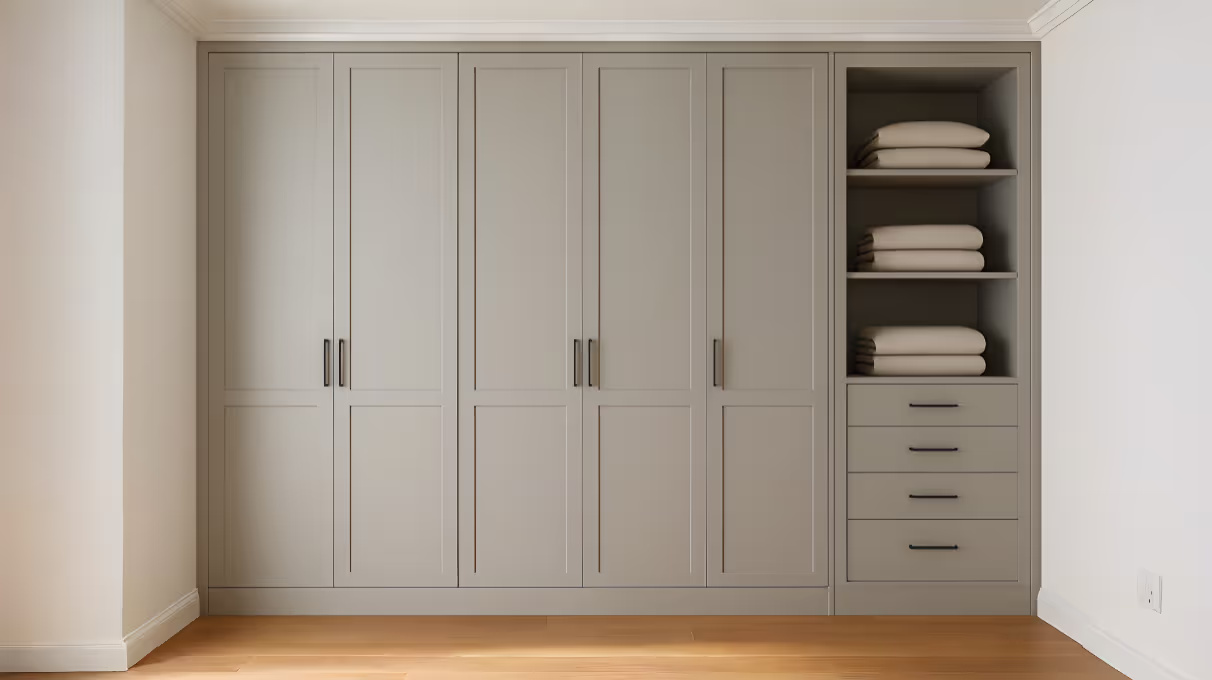
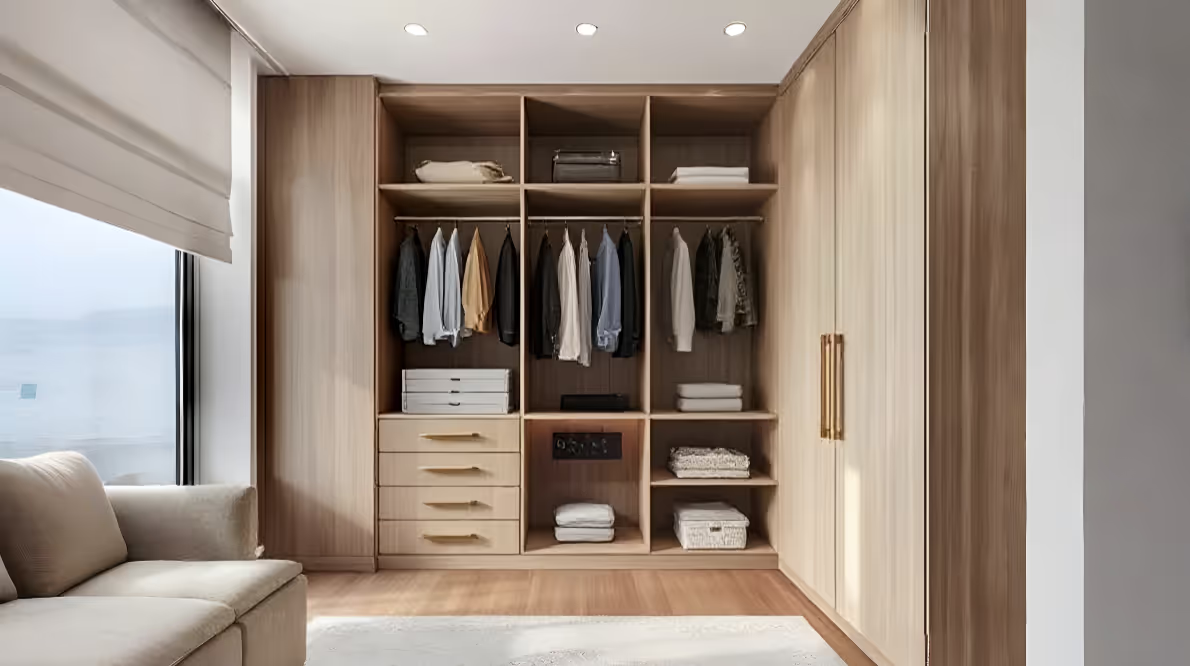
Built-in designer wardrobes are custom-designed to fit seamlessly within a specific space. These wardrobes are often integrated directly into the room’s architecture, creating a streamlined and sophisticated appearance.
One of the primary benefits of a built-in designer wardrobe is its ability to maximize every available inch of space. Because it is custom-fitted to the room, it eliminates awkward gaps and unused areas that are often found with freestanding furniture.
Built-in wardrobes are particularly effective in bedrooms with unusual layouts, sloped ceilings, or limited floor space. Their tailored design allows homeowners to create personalized storage solutions that accommodate specific clothing, accessories, and organizational needs.
Beyond practicality, built-in designer wardrobes contribute to a premium and luxurious appearance that enhances the overall value and visual appeal of a bedroom.
Walk-In Wardrobes
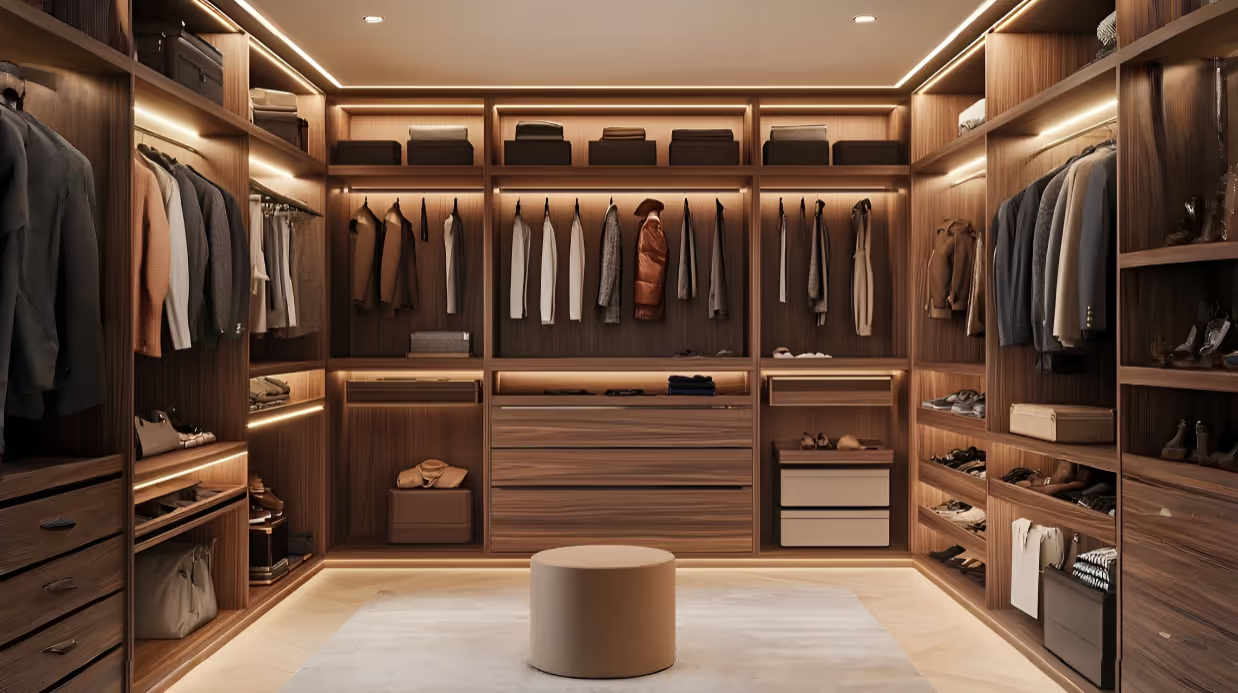
For homeowners seeking the ultimate storage solution, a walk-in designer wardrobe offers both luxury and convenience. Walk-in wardrobes provide a dedicated dressing and storage area where clothing, shoes, accessories, and personal items can be organized efficiently.
One of the key advantages of a walk-in wardrobe is the ability to create clearly defined storage zones. Separate sections for hanging garments, folded clothing, footwear, and accessories help maintain organization while improving accessibility.
Walk-in wardrobes also allow for additional features such as seating areas, integrated lighting, full-length mirrors, and display shelving. These additions transform the wardrobe into a functional extension of the bedroom rather than simply a storage area.
Because of their size requirements, walk-in designer wardrobes are generally best suited to larger bedrooms, master suites, or homes where maximizing luxury and organization is a priority.
Sliding Door Designer Wardrobes
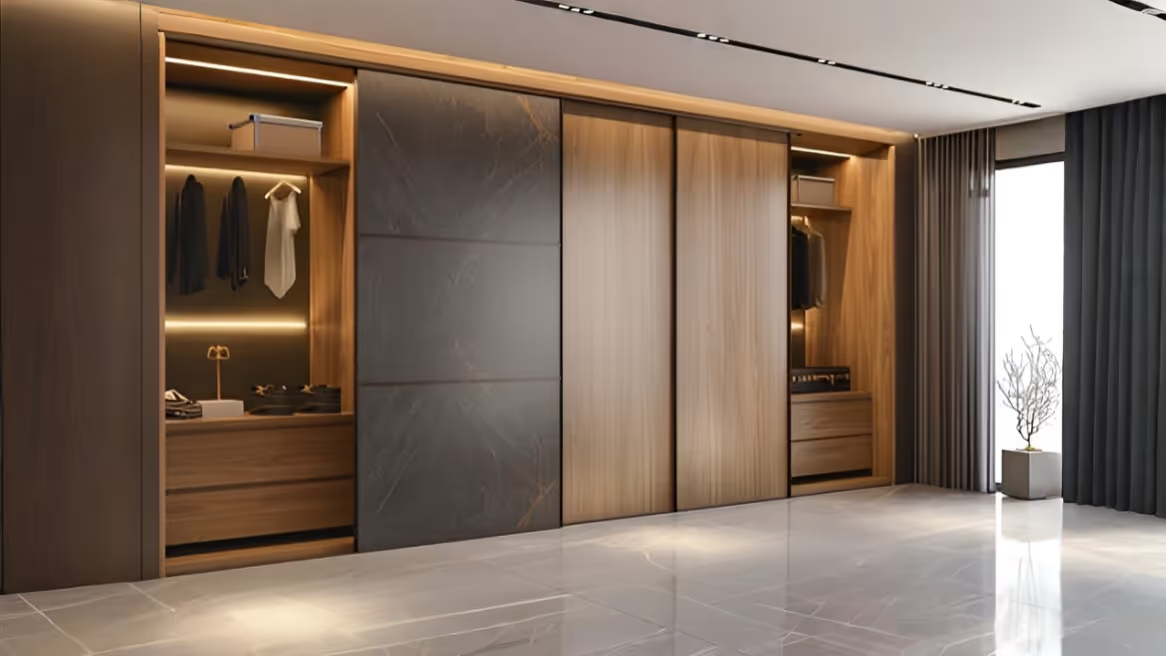
Sliding door designer wardrobes have become increasingly popular in modern homes due to their sleek appearance and space-saving functionality.
Unlike traditional hinged doors that require clearance to open, sliding doors operate on tracks, making them an ideal solution for smaller bedrooms where every square metre matters. This design allows furniture to be positioned closer to the wardrobe without obstructing access.
Sliding door wardrobes often feature contemporary materials such as glass, mirrors, matte finishes, and high-gloss panels, contributing to a clean and sophisticated aesthetic. Mirrored sliding doors can also help make smaller rooms feel larger and brighter by reflecting natural light.
For homeowners seeking a modern designer wardrobe that combines style and practicality, sliding door systems are often one of the most efficient options available.
Looking for smart storage solutions beyond wardrobes? Custom floating shelves and wall-mounted storage solutions can help maximize organization while maintaining the clean, modern bedroom Look.
Choosing the Right Materials and Finishes
The materials and finishes you choose for your designer wardrobe have a significant impact on its appearance, durability, maintenance requirements, and long-term performance. While style is important, selecting high-quality materials ensures your wardrobe remains attractive and functional for many years.
Understanding the strengths of different materials and finishes will help you choose a designer wardrobe that complements your bedroom design while meeting your practical needs.
Timber Designer Wardrobes
Timber remains one of the most popular materials for designer wardrobes because of its timeless appeal, natural warmth, and exceptional durability.
A timber designer wardrobe introduces texture and character into a bedroom, creating a welcoming and sophisticated atmosphere. Whether finished in natural oak, walnut, ash, or engineered timber products, wood provides a versatile foundation that works well with both traditional and contemporary interiors.
High-quality timber wardrobes are known for their strength and longevity. With proper care and maintenance, they can remain an attractive feature of the bedroom for decades.
Many homeowners choose timber wardrobes because they offer a natural aesthetic that complements other furniture pieces while creating a sense of warmth and comfort within the space.
Glass and Mirror Finishes
Glass and mirrored finishes are popular choices for homeowners seeking a modern and visually striking designer wardrobe.
One of the biggest advantages of glass and mirror surfaces is their ability to reflect natural and artificial light throughout the room. This reflection can make a bedroom feel brighter, larger, and more open, particularly in smaller spaces.
Glass finishes are available in a variety of styles, including clear, frosted, tinted, and coloured options, allowing homeowners to customize the wardrobe’s appearance to suit their interior design preferences.
Mirrored wardrobe doors also provide a practical benefit by eliminating the need for a separate full-length mirror while contributing to a sleek and contemporary look.
Glass wardrobes pair exceptionally well with Floating Glass Shelves, creating a cohesive and modern interior design that enhances both storage and visual appeal.
Matte vs Gloss Finishes
When selecting a designer wardrobe, many homeowners find themselves choosing between matte and gloss finishes. Both options offer unique advantages depending on the desired look and maintenance preferences.
Matte finishes provide a soft, understated appearance that works particularly well in modern, minimalist, and Scandinavian-inspired interiors. They are generally better at hiding fingerprints, smudges, and minor surface imperfections, making them easier to maintain in busy households.
Gloss finishes, on the other hand, create a polished and reflective surface that can make a room feel brighter and more luxurious. High-gloss wardrobes are often associated with contemporary and high-end interior designs due to their sleek appearance.
Current interior design trends favour both finishes, with the choice often depending on the overall style of the bedroom. Homeowners seeking subtle elegance may prefer matte finishes, while those wanting a bold and modern statement may gravitate toward gloss surfaces.
Storage Features That Make a Difference
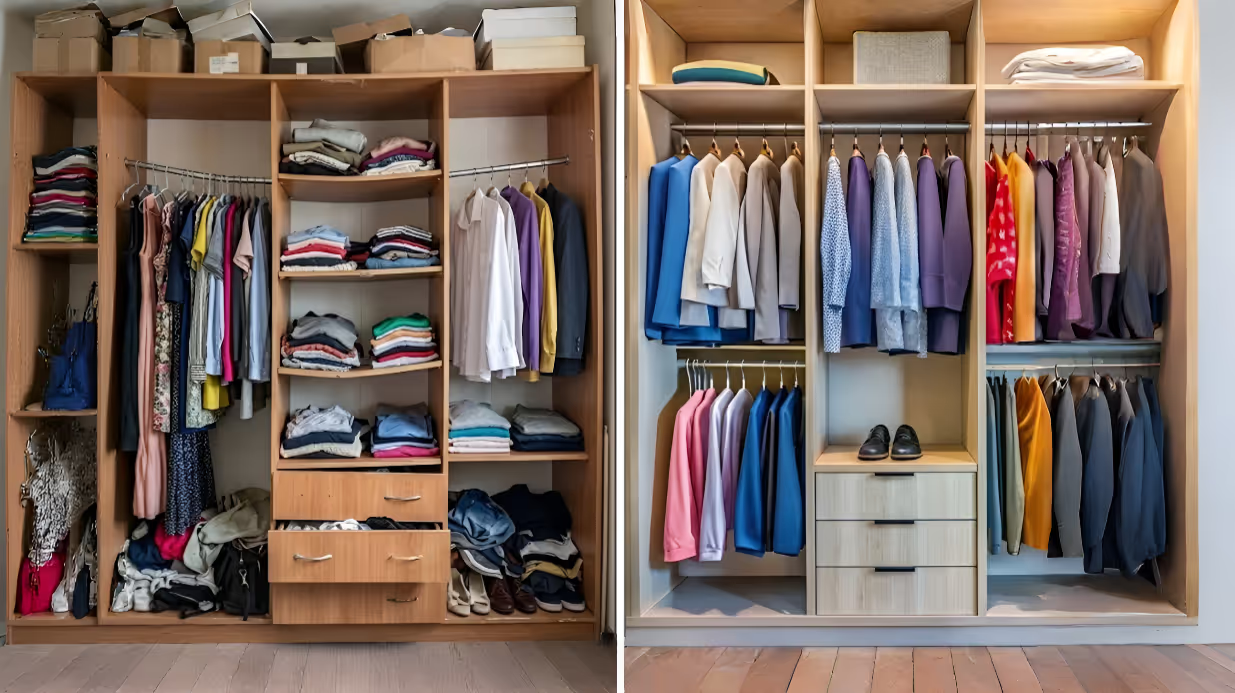
While style is important, the true value of a designer wardrobe lies in its functionality. A beautiful wardrobe that lacks proper organization can quickly become cluttered and difficult to use. The best designer wardrobes are thoughtfully designed to simplify everyday routines while maximizing available storage space.
By selecting the right storage features, homeowners can create a wardrobe that remains organized, accessible, and practical for years to come.
Adjustable Shelving
Adjustable shelving offers flexibility that standard fixed shelves cannot match. As storage needs change over time, adjustable shelves allow homeowners to reconfigure the interior layout to accommodate different clothing types, accessories, or household items.
This adaptability helps maximize storage efficiency and ensures the wardrobe continues to meet changing lifestyle requirements.
Drawer Systems
Integrated drawer systems provide dedicated storage for smaller items such as undergarments, accessories, jewellery, and folded clothing. Well-designed drawers help reduce clutter while keeping frequently used items within easy reach.
Soft-close drawer mechanisms can further enhance usability while adding a premium touch to the wardrobe.
Hanging Space Options
Different clothing items require different storage solutions. A practical designer wardrobe should include a combination of short-hanging and full-length hanging sections to accommodate everything from shirts and jackets to dresses and coats.
Having designated hanging zones helps prevent wrinkles while improving visibility and accessibility.
Shoe Storage Solutions
Shoes can quickly create clutter if not stored properly. Dedicated shoe compartments, pull-out racks, or tiered shelving systems help keep footwear organized while making better use of available space.
Proper shoe storage also protects footwear from damage and extends its lifespan.
Accessory Compartments
Accessories such as belts, watches, scarves, handbags, and jewellery often require specialized storage. Compartments designed specifically for accessories make it easier to stay organized while preventing items from becoming tangled or misplaced.
Thoughtful accessory storage contributes significantly to the overall functionality of a designer wardrobe and improves the daily user experience.
When all these storage features work together, they create a wardrobe that not only looks beautiful but also simplifies everyday living.
Matching Your Designer Wardrobe to Your Bedroom Style
A designer wardrobe should feel like a natural extension of the bedroom rather than a separate piece of furniture. The right wardrobe can enhance the room’s atmosphere, complement existing furniture, and create a cohesive design that feels intentional and balanced.
Careful attention to colour, materials, and overall design style can help ensure your wardrobe contributes positively to the room’s aesthetic.
Modern Minimalist Bedrooms
Minimalist bedrooms prioritize clean lines, uncluttered spaces, and functional design. In these environments, designer wardrobes often feature smooth surfaces, neutral colours, and concealed handles that maintain a streamlined appearance.
White, grey, black, and natural timber finishes are particularly popular choices for minimalist interiors.
Contemporary Bedrooms
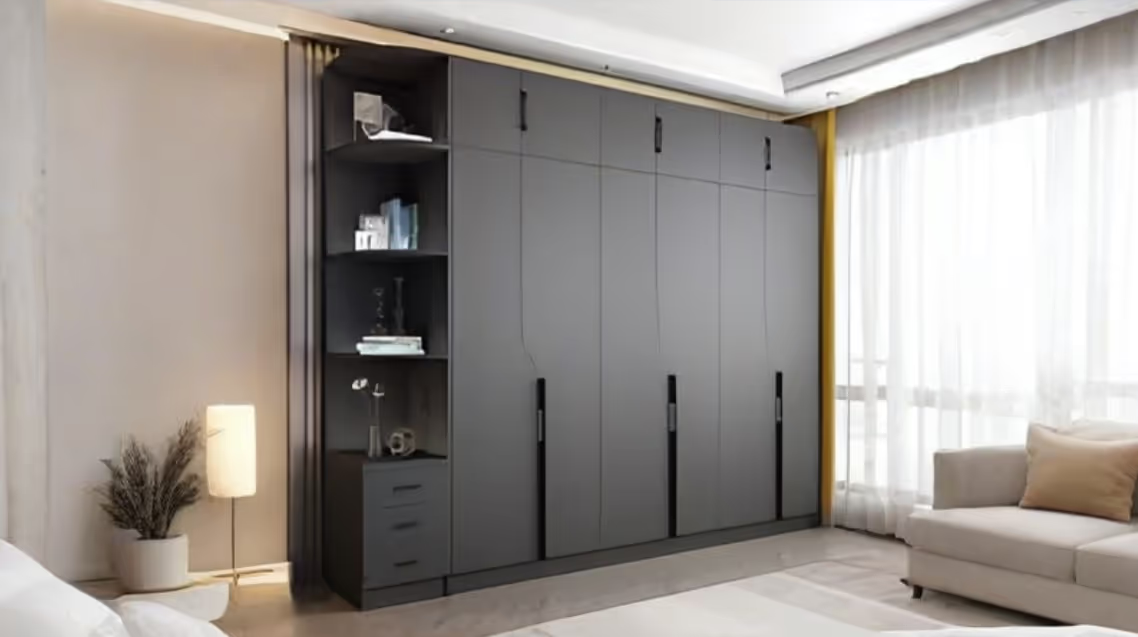
Contemporary bedroom designs embrace modern materials, bold textures, and practical functionality. Designer wardrobes in contemporary spaces may incorporate glass panels, mixed materials, integrated lighting, and innovative storage solutions.
The focus is on creating a stylish yet comfortable environment that reflects current design trends.
Scandinavian-Inspired Spaces
Scandinavian interiors emphasize simplicity, natural materials, and light-filled spaces. Designer wardrobes suited to this style often feature light timber finishes, soft neutral colours, and minimal decorative detailing.
The result is a warm, inviting atmosphere that feels both modern and timeless.
Luxury Interior Designs
Luxury bedrooms often feature high-end materials, custom finishes, and carefully coordinated furniture. In these settings, designer wardrobes may include mirrored surfaces, premium timber veneers, integrated lighting systems, and bespoke storage layouts.
The goal is to create a sophisticated and elegant space that combines beauty with functionality.
Colour coordination and material selection play a major role in achieving visual harmony throughout the room. For a coordinated look, homeowners often combine wardrobes with Cliff Hanger Book Shelves to create additional display and storage space while maintaining a consistent design aesthetic.
A well-designed bedroom balances hidden storage and open display areas. Floating shelves can help showcase artwork, books, plants, and decorative accessories while keeping your space organized and visually appealing.
Common Mistakes to Avoid When Buying a Designer Wardrobe
Investing in a designer wardrobe can significantly improve your bedroom’s functionality and appearance. However, making the wrong choice can lead to frustration, wasted space, and unnecessary expense. Understanding common mistakes can help you make a more informed decision.
Ignoring Storage Needs
Many homeowners focus primarily on appearance while overlooking their actual storage requirements. Before selecting a wardrobe, consider how much hanging space, shelving, drawer storage, and accessory organization you need on a daily basis.
Choosing Style Over Function
A wardrobe should look good, but it should also support your lifestyle. Prioritizing aesthetics alone can result in a beautiful wardrobe that fails to provide practical storage solutions.
The best designer wardrobe successfully balances style and functionality.
Incorrect Measurements
Failing to measure accurately is one of the most common mistakes homeowners make. A wardrobe that is too large can overwhelm a room, while one that is too small may not provide adequate storage.
Always measure carefully and account for door clearance, furniture placement, and traffic flow.
Overlooking Material Quality
Not all wardrobes are built to the same standard. Choosing lower-quality materials may reduce upfront costs but can lead to premature wear, damage, and replacement expenses in the future.
Investing in quality materials often delivers better long-term value.
Not Planning for Future Storage Needs
Storage requirements tend to increase over time. Selecting a designer wardrobe that accommodates future needs can help avoid costly upgrades or replacements later.
Considering future growth when planning storage is often a smart investment.
Why a Designer Wardrobe Is a Long-Term Investment
A designer wardrobe is more than a furniture purchase; it is a long-term investment in organization, convenience, and interior design. While premium wardrobes may require a higher initial investment, they often provide greater value over time.
High-quality designer wardrobes are built using superior craftsmanship and durable materials that withstand daily use. Their thoughtful storage layouts improve organization, making it easier to maintain a tidy and functional bedroom.
In addition to practical benefits, a designer wardrobe can significantly enhance the visual appeal of a room. A well-designed wardrobe contributes to a more polished and sophisticated environment while helping create a cohesive interior design scheme.
Quality wardrobes may also increase the perceived value and attractiveness of a home, particularly when integrated into custom bedroom designs.
When chosen carefully, a designer wardrobe can continue serving your household for many years while maintaining both its functionality and appearance.
Whether you’re updating a master bedroom or furnishing a new home, combining a quality wardrobe with practical wall-mounted storage can help create a functional and stylish living space.
Conclusion
Choosing the perfect designer wardrobe involves much more than selecting a piece of furniture that looks attractive. The right wardrobe should complement your bedroom style, support your storage needs, and provide long-term durability.
By carefully considering wardrobe styles, materials, finishes, storage features, and room layout, you can make a decision that enhances both functionality and aesthetics. Whether you prefer a built-in solution, a luxurious walk-in wardrobe, or a modern sliding door design, thoughtful planning is essential to achieving the best results.
A quality designer wardrobe can transform the way you organize your belongings while contributing to a more comfortable and visually appealing bedroom. Investing in furniture that combines practicality with style helps create a space that remains enjoyable and functional for years to come.
Frequently Asked Questions
What is a designer wardrobe?
A designer wardrobe is a premium storage solution that combines functionality, aesthetics, and customization. Unlike standard wardrobes, designer wardrobes often feature high-quality materials, tailored storage layouts, and finishes designed to complement a bedroom’s interior style.
Are designer wardrobes worth the investment?
Yes. A quality designer wardrobe offers better organization, improved durability, enhanced aesthetics, and more efficient use of space. While the initial investment may be higher, the long-term value often outweighs the cost.
Which wardrobe style is best for small bedrooms?
Sliding door designer wardrobes are often the best option for small bedrooms because they do not require door clearance space. Built-in wardrobes can also maximize storage while maintaining a streamlined appearance.
What materials are commonly used in designer wardrobes?
Common materials include solid timber, engineered wood products, glass panels, mirrored finishes, laminate surfaces, and premium veneers. The best material depends on your design preferences, budget, and maintenance requirements.
How do I choose the right size designer wardrobe?
Start by measuring the available wall space, ceiling height, and surrounding furniture layout. Consider both your current storage needs and future requirements to ensure the wardrobe remains functional over time.
What is the difference between a built-in and freestanding wardrobe?
A built-in wardrobe is custom-fitted to a specific space and becomes part of the room’s structure. A freestanding wardrobe is a standalone furniture piece that can be moved or relocated when needed.
Can a designer wardrobe increase bedroom storage?
Yes. Designer wardrobes are specifically designed to maximize storage through features such as adjustable shelving, drawer systems, hanging sections, shoe storage, and accessory compartments.
How long does a quality designer wardrobe last?
A well-constructed designer wardrobe made from quality materials can last for decades when properly maintained. Durability depends on construction quality, materials used, and daily usage patterns.
A sofa bed is one of the most versatile furniture pieces for modern homes, offering both comfortable seating and practical sleeping space. In this guide,
Choosing the right coffee table can transform your living room’s functionality and style. This guide explores coffee table sizes, shapes, materials, storage solutions, and design